EPR Compliance in India: A Critical Requirement for PIBOs in 2025
If you are a Producer, Importer, or Brand Owner (PIBO) operating in India, Extended Producer Responsibility (EPR) is no longer optional — it is a statutory requirement.
With stricter enforcement by the Central Pollution Control Board (CPCB), EPR compliance has become a decisive factor that directly impacts your ability to manufacture, import, or sell products in India. In 2025, failure to comply can result in financial penalties, blocked registrations, import restrictions, and environmental compensation (EC).
This guide explains everything you need to know about EPR compliance in India — from rules and certificates to practical solutions that make compliance seamless.
What Is Extended Producer Responsibility (EPR)?
Extended Producer Responsibility (EPR) is an environmental policy that makes producers responsible for managing the waste generated from their products once those products reach end-of-life.
In simple terms:
If you place a product in the Indian market, you are responsible for its collection, recycling, and environmentally safe disposal.
In 2025, EPR compliance in India focuses on:
-
Digital traceability
-
Target-based recycling
-
Circular economy implementation
-
Verified recycling through authorized recyclers
EPR Compliance in India: The 2025 Regulatory Landscape
Earlier, EPR compliance was largely documentation-driven. Today, it is data-driven, target-oriented, and digitally monitored through CPCB portals.
Key Waste Categories Covered Under EPR
1. Plastic Packaging Waste
-
Mandatory EPR targets for rigid & flexible plastics
-
Minimum recycled content requirements (effective April 2025)
-
Annual return filing compulsory
2. E-Waste
-
Covers electronics, electrical equipment, IT hardware, solar panels
-
Increased recycling targets for FY 2025–26
-
Heavy penalties for shortfall in targets
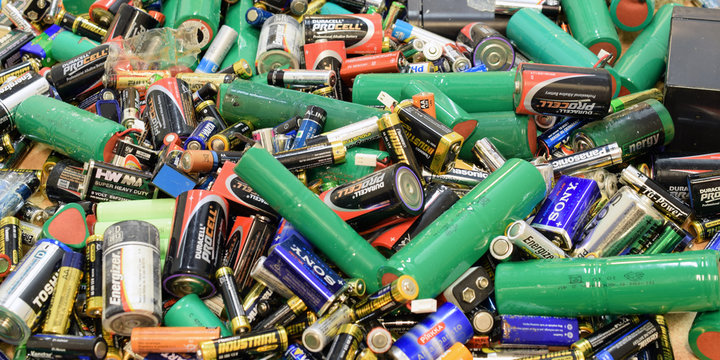
3. Battery Waste
-
Separate CPCB portal for battery EPR
-
Applies to Li-ion, lead-acid, EV, and portable batteries
-
Digital credit-based compliance
4. Waste Tyres
-
Obligations for manufacturers & importers
-
Mandatory purchase of recycling credits
5. Used Oil
-
Newly enforced EPR category
-
Applies to base oil & lubricant producers
-
Full enforcement effective from April 2024
⚠️ Important Update:
The deadline for filing returns for FY 2024–25 has been extended to 31 December 2025.
EPR Registration Certificate vs. EPR Certificate: Understanding the Difference
This distinction is one of the most misunderstood aspects of EPR compliance.
1. EPR Registration Certificate (Authorization to Operate)
This certificate allows you to legally operate as a PIBO.
Key details:
-
Issued by CPCB via sector-specific portals
-
Mandatory before manufacturing, importing, or selling
-
Requires submission of PAN, GST, IEC, and sales data
-
Renewable and category-specific
👉 Without EPR registration, operations are illegal.
2. EPR Certificate / EPR Credits (Proof of Compliance)
Once registered, CPCB assigns annual recycling targets.
To meet these targets, PIBOs must:
-
Partner with CPCB-authorized recyclers
-
Purchase digital EPR certificates (credits)
-
Offset waste liability against recycling done
Key points:
-
Credits are generated only after actual recycling
-
Certificates are digitally tracked to avoid duplication
-
Credits from unregistered recyclers are invalid
Sector-Wise EPR Rules You Must Follow
Plastic Waste Management Rules
-
Mandatory annual return filing
-
Recycled plastic content requirements
-
Packaging data scrutiny by CPCB
E-Waste Management Rules
-
Increased targets in 2025
-
Mandatory recycler verification
-
Environmental compensation for non-compliance
Used Oil EPR Rules
-
Applies to lubricant and base oil producers
-
Registration and annual returns compulsory
EPR Registration Process: Step-by-Step
Here’s how the EPR registration process works:
-
Document Preparation
-
PAN, GST, IEC
-
Sales & procurement records
-
-
Correct Portal Selection
-
Plastic / E-Waste / Battery / Tyre / Used Oil
-
-
EPR Action Plan Submission
-
Collection & recycling strategy
-
-
Government Fee Payment
-
CPCB Review & Approval
-
Issuance of EPR Registration Certificate
-
Common EPR Compliance Challenges Faced by Businesses
Challenge 1: Scattered Sales & Procurement Data
Issue: Data spread across multiple systems
Solution: Centralized data mapping & compliance-ready reporting
Challenge 2: Unauthorized Recyclers
Issue: Invalid credits leading to rejection
Solution: Work only with CPCB-authorized recyclers
Challenge 3: Frequent Regulatory Changes
Issue: Sudden rule amendments
Solution: Dedicated compliance monitoring & expert support
How Enviroserve Simplifies EPR Compliance
At Enviroserve, we provide end-to-end EPR compliance solutions, ensuring zero regulatory risk.
Our EPR Services Include:
✔ EPR liability assessment
✔ CPCB registration & renewals
✔ PAN-India network of authorized recyclers
✔ EPR certificate procurement
✔ Quarterly & annual return filing
✔ Audit-ready documentation
We help businesses stay compliant while focusing on growth.
Quick EPR Compliance Checklist
✔ Do you have valid EPR registration for all products?
✔ Have annual recycling targets been calculated correctly?
✔ Are your recyclers CPCB-authorized?
✔ Are returns filed within CPCB deadlines?
Final Thoughts: EPR Compliance Is a Business Imperative
EPR compliance in India is no longer voluntary — it is the law of the land.
Businesses that manage EPR proactively:
-
Avoid penalties
-
Build sustainability credentials
-
Strengthen brand trust
-
Stay future-ready
Instead of navigating complex regulations alone, partner with experts who understand compliance inside out.
Need Help with EPR Compliance?
📩 Contact Enviroserve today
💬 Talk to our compliance experts
♻ From registration to recycling — we manage everything
You focus on growing your business.
We’ll take care of compliance.